
Chontaduro: A Portrait of Cali:
In Cali, chontaduro is more than a fruit — it is a cultural symbol. Sold on street corners with honey and salt, it is associated with warmth, joy, fertility, and regional pride. Its presence is especially strong here: Cali is where it is most widely sold in Colombia.
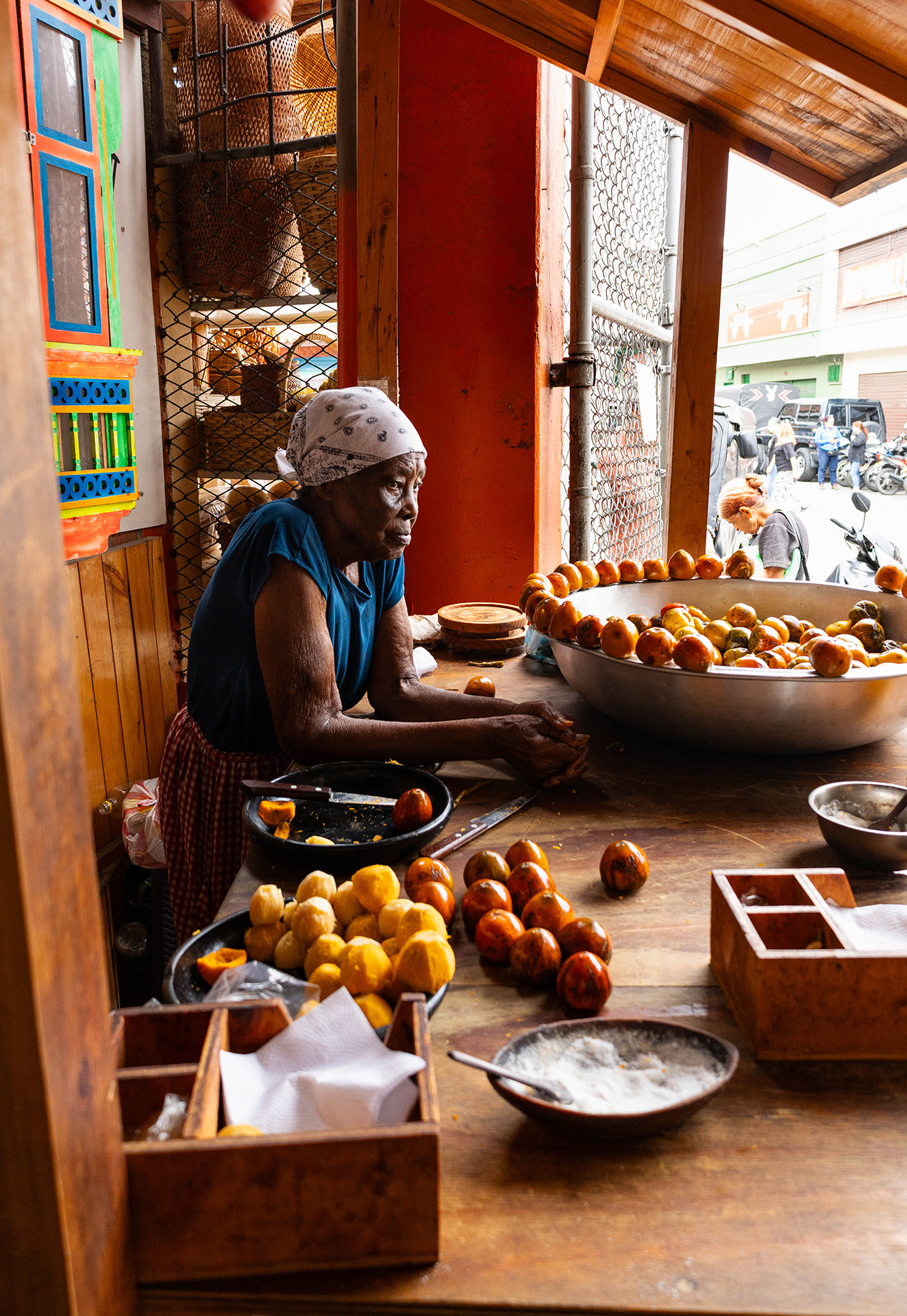
Chontaduro plays a vital socio-economic role, particularly for Afro-Colombian communities. Street vendors — most often women — sell the fruit at small stands across the city, where a successful day can mean more than 100 fruits sold, providing essential household income. Once confined by racial segregation and social inequality, the fruit is now being reclaimed by a younger generation and increasingly incorporated into high-end restaurants, reflecting a broader embrace of Afro-descendant heritage.
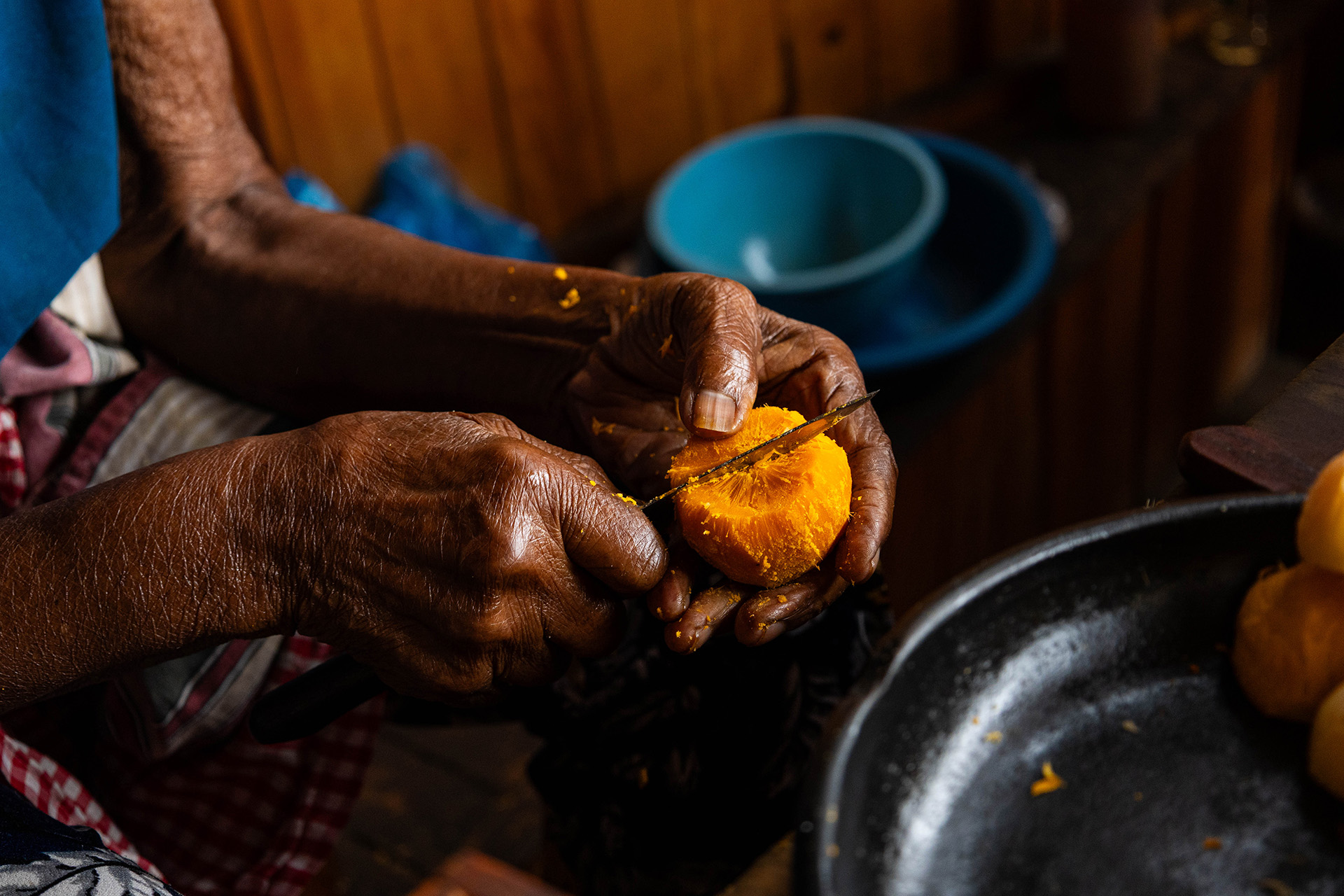
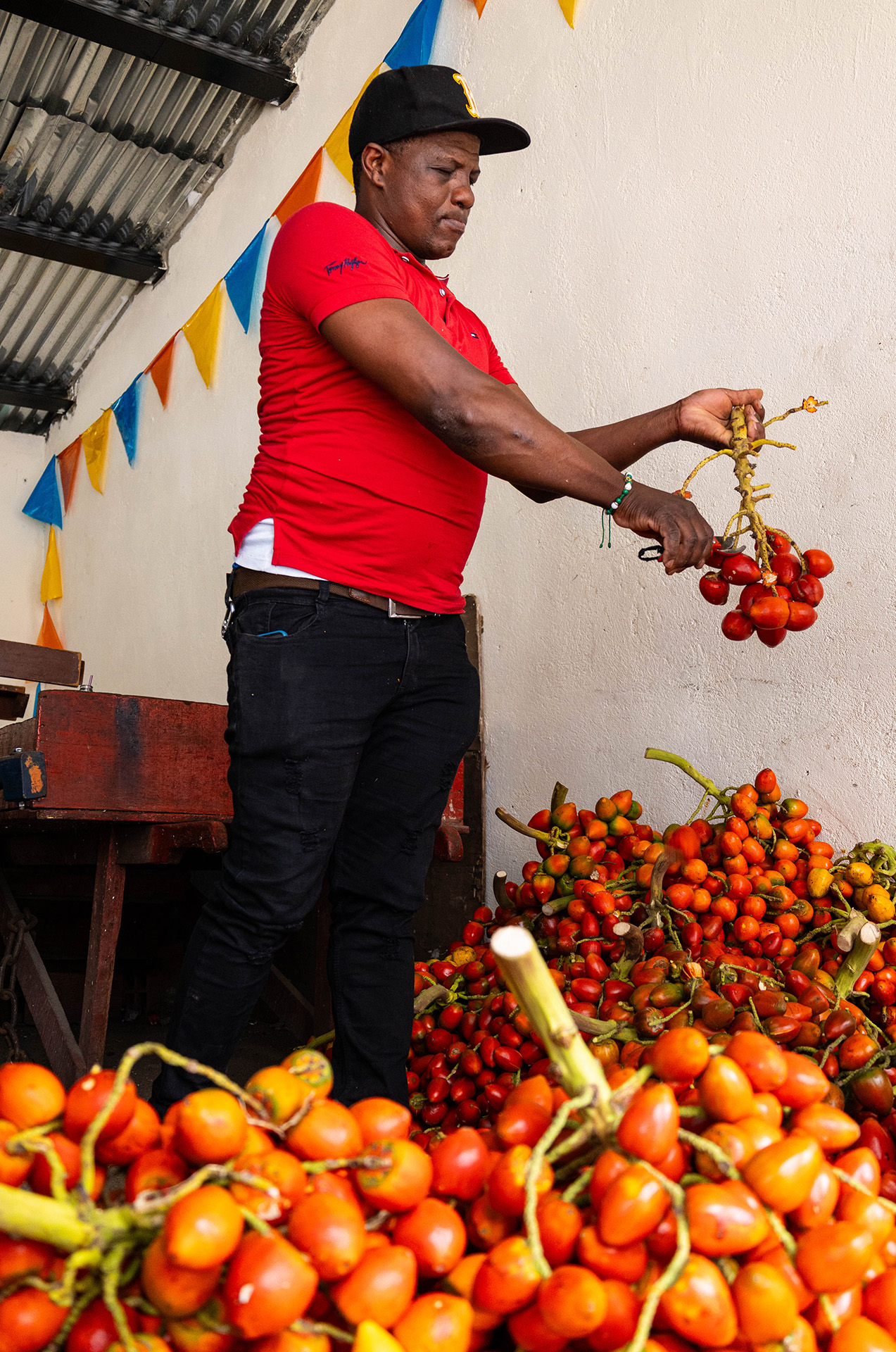
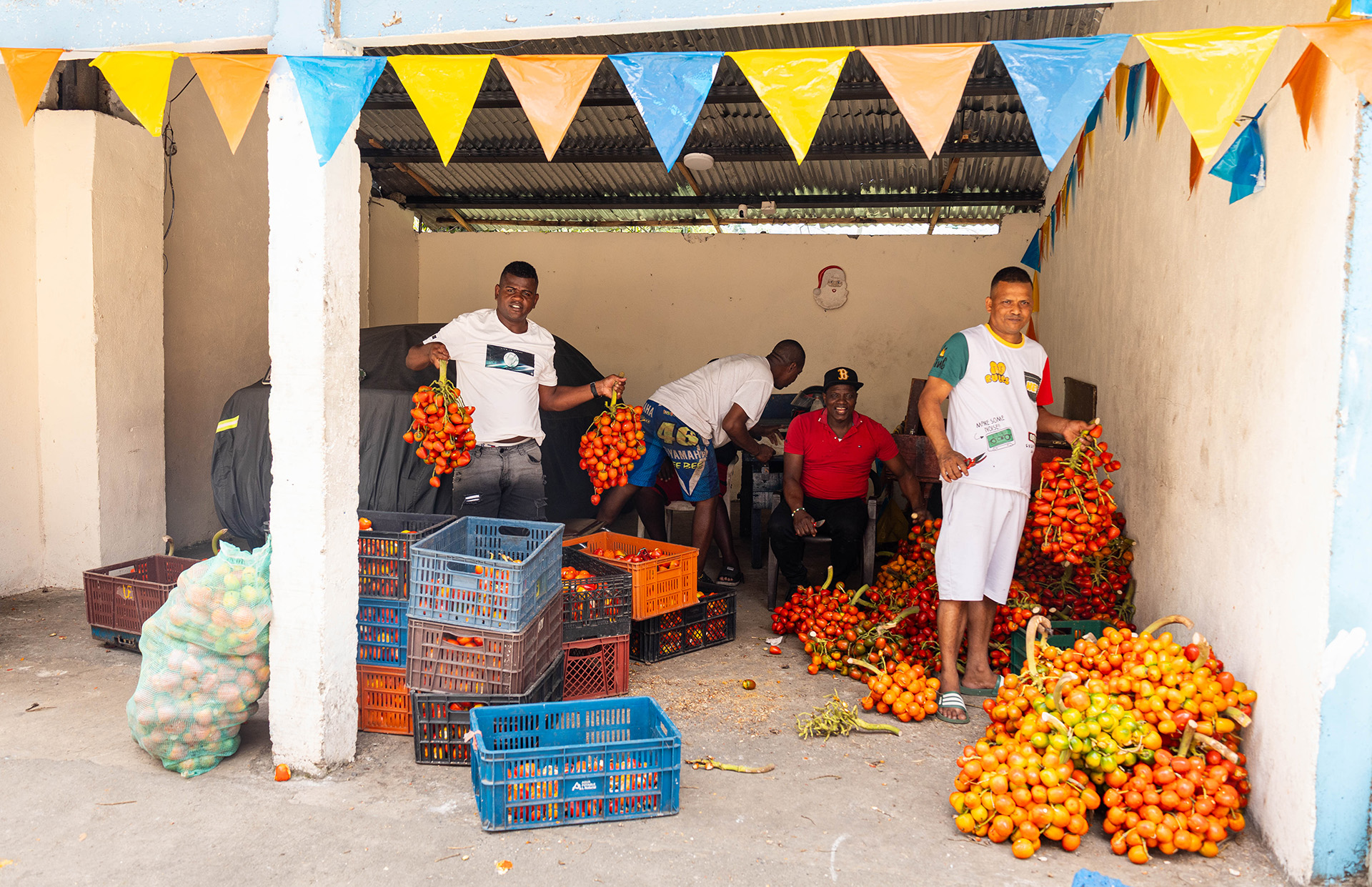
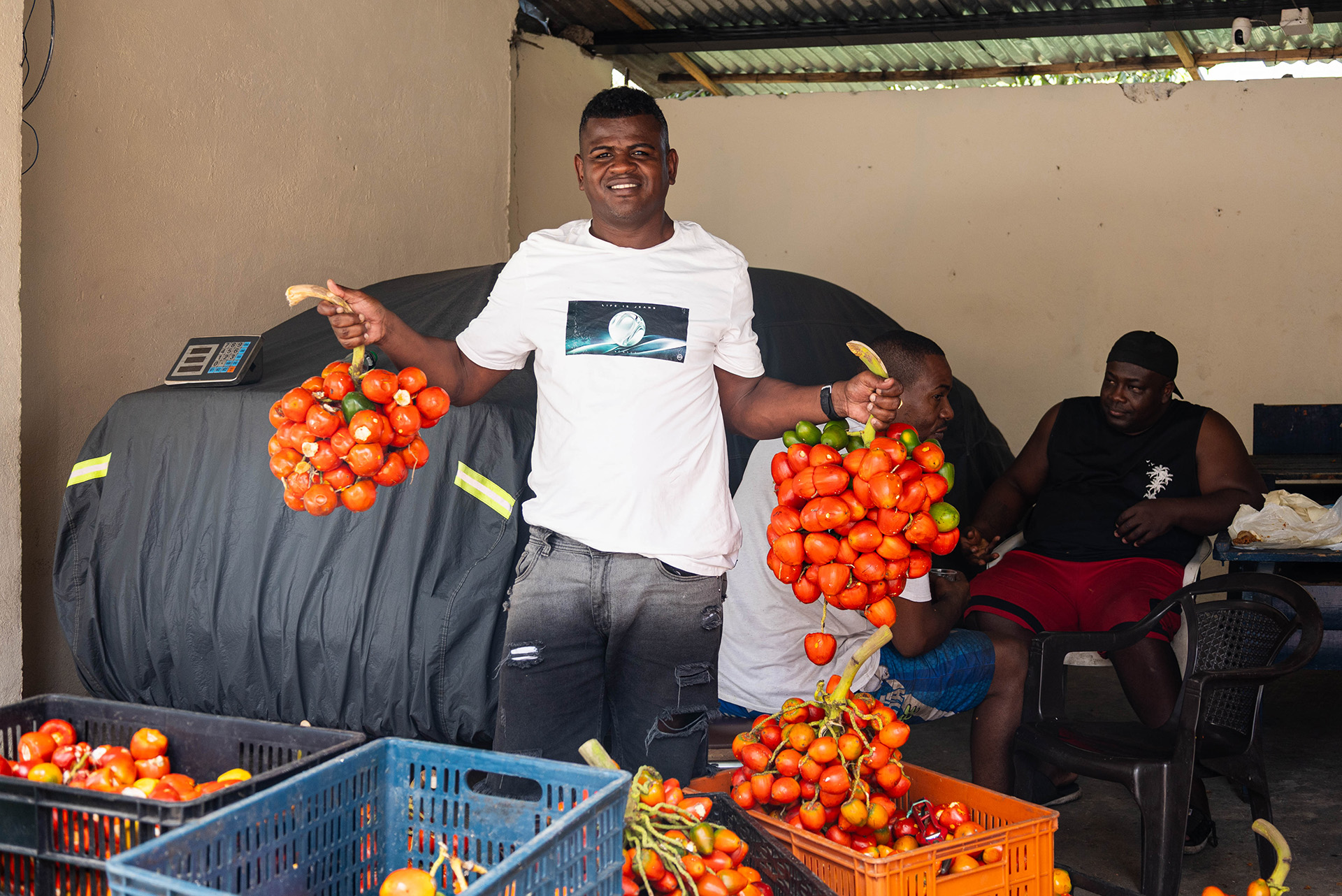
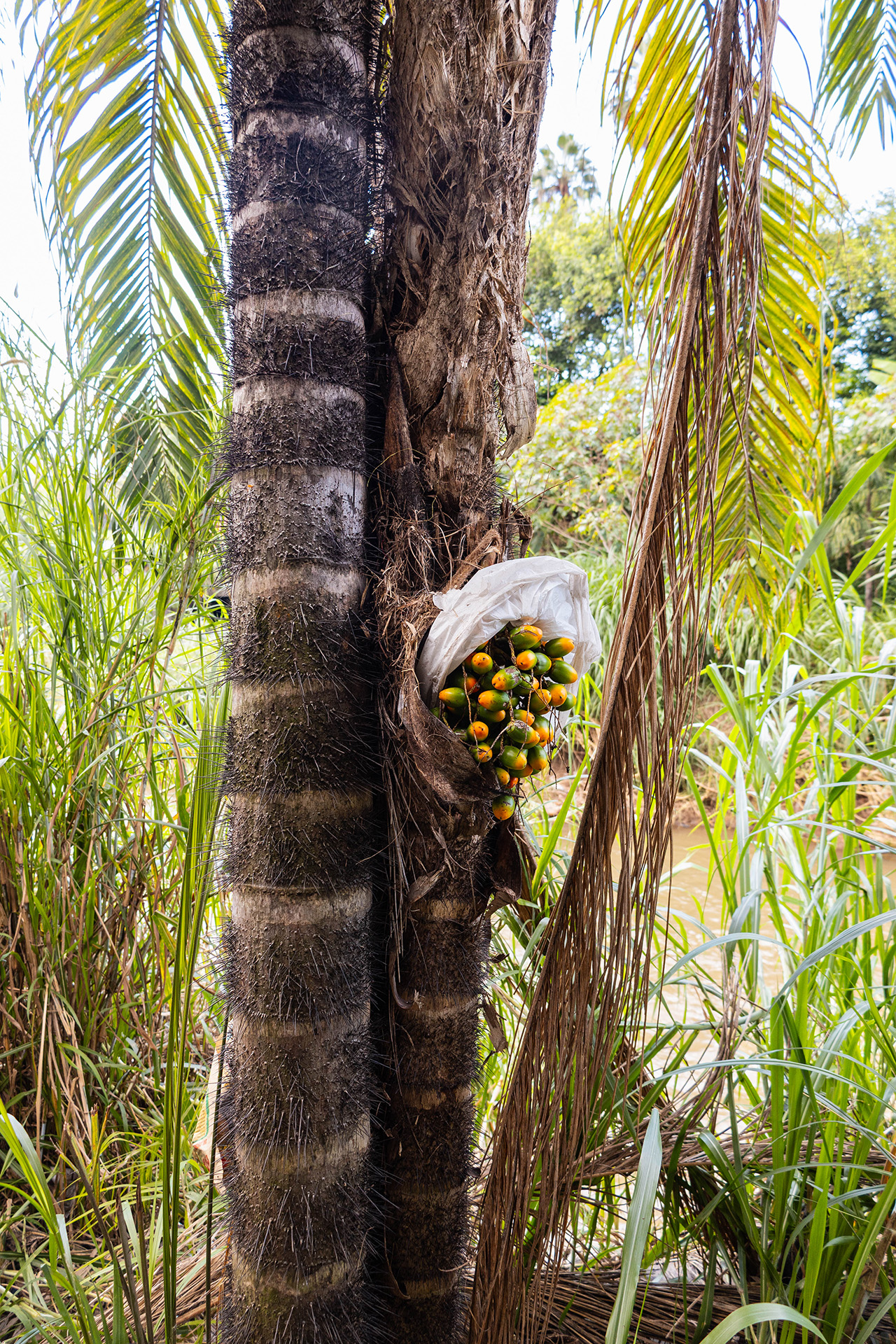
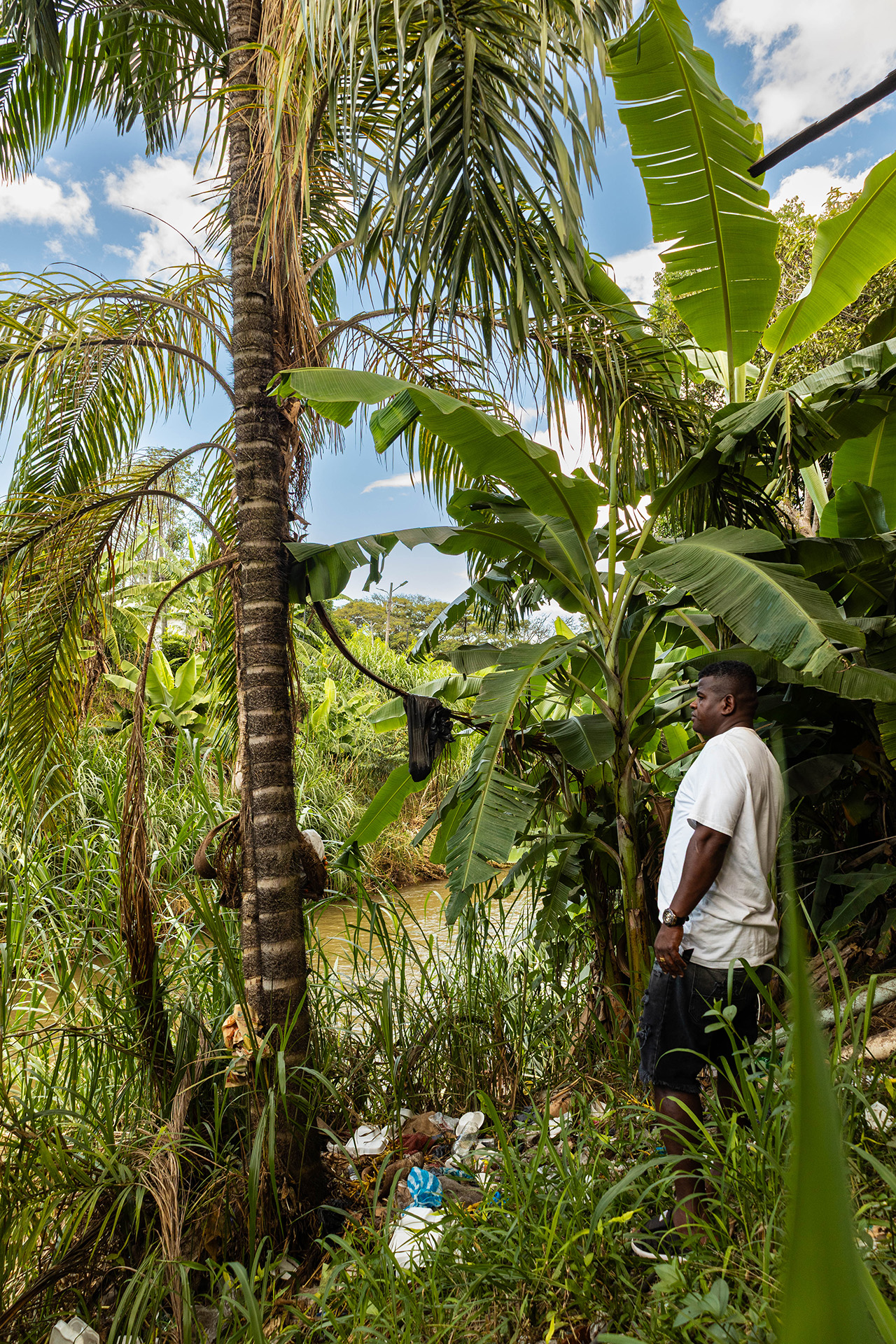
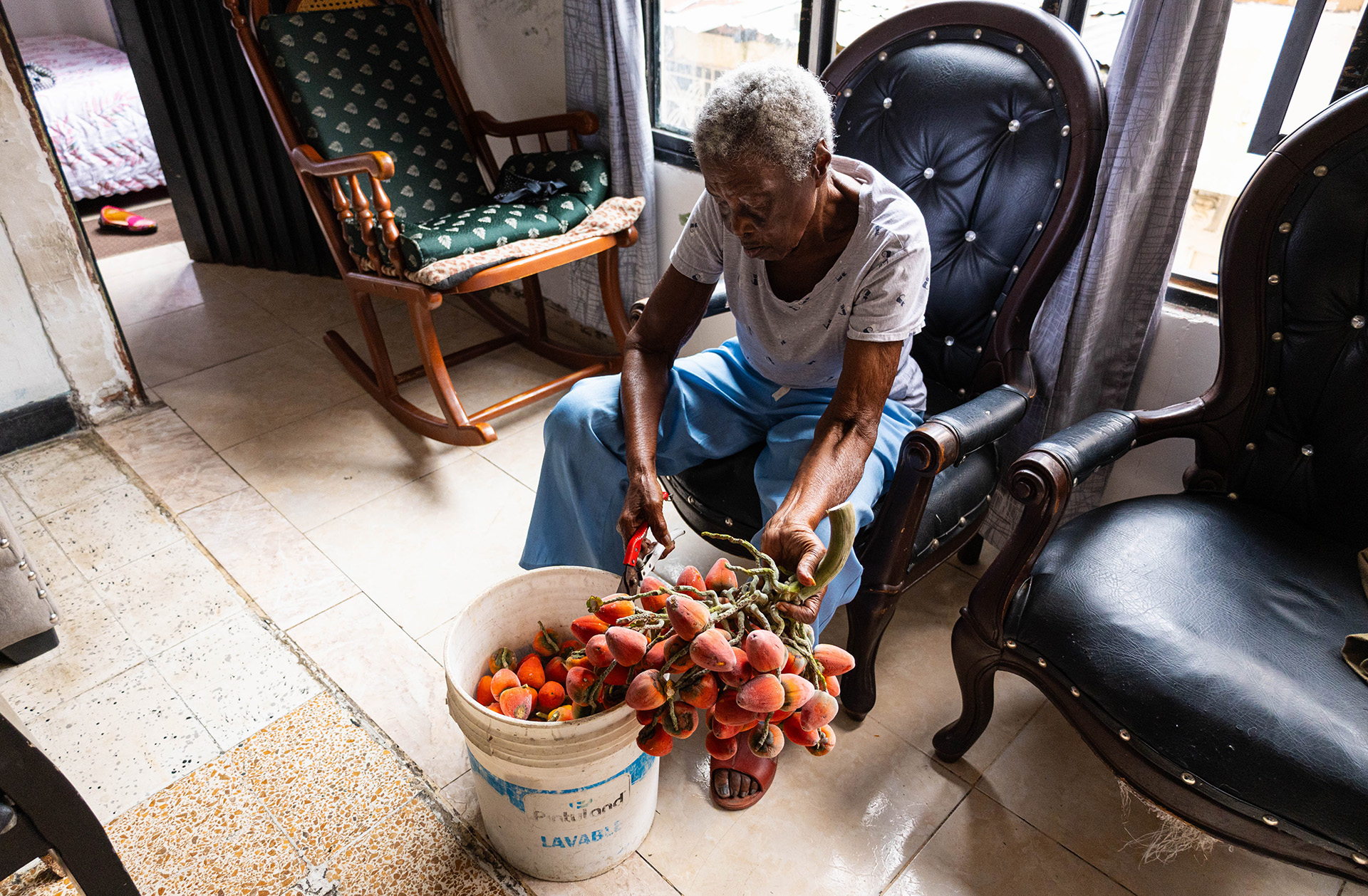
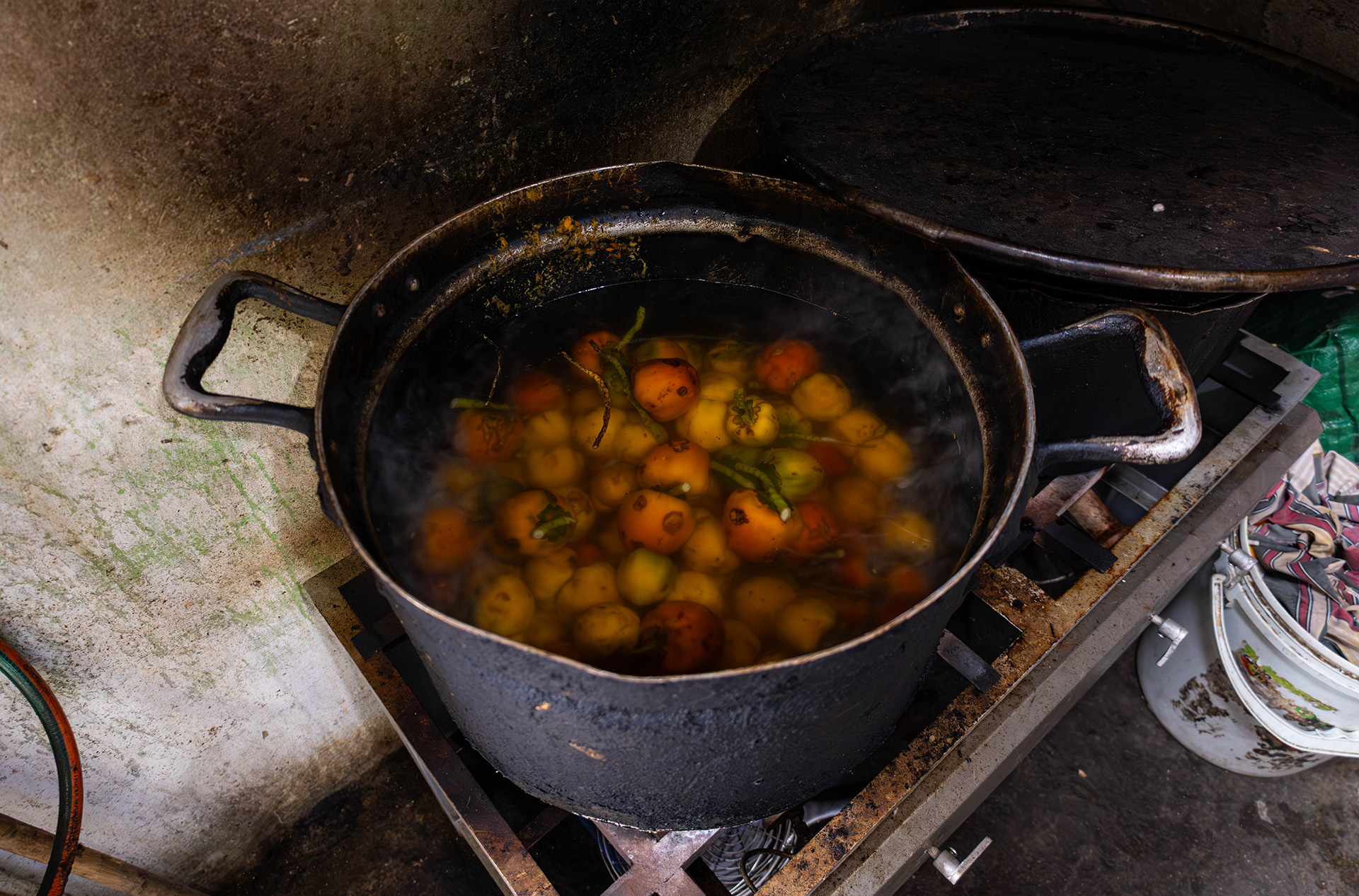
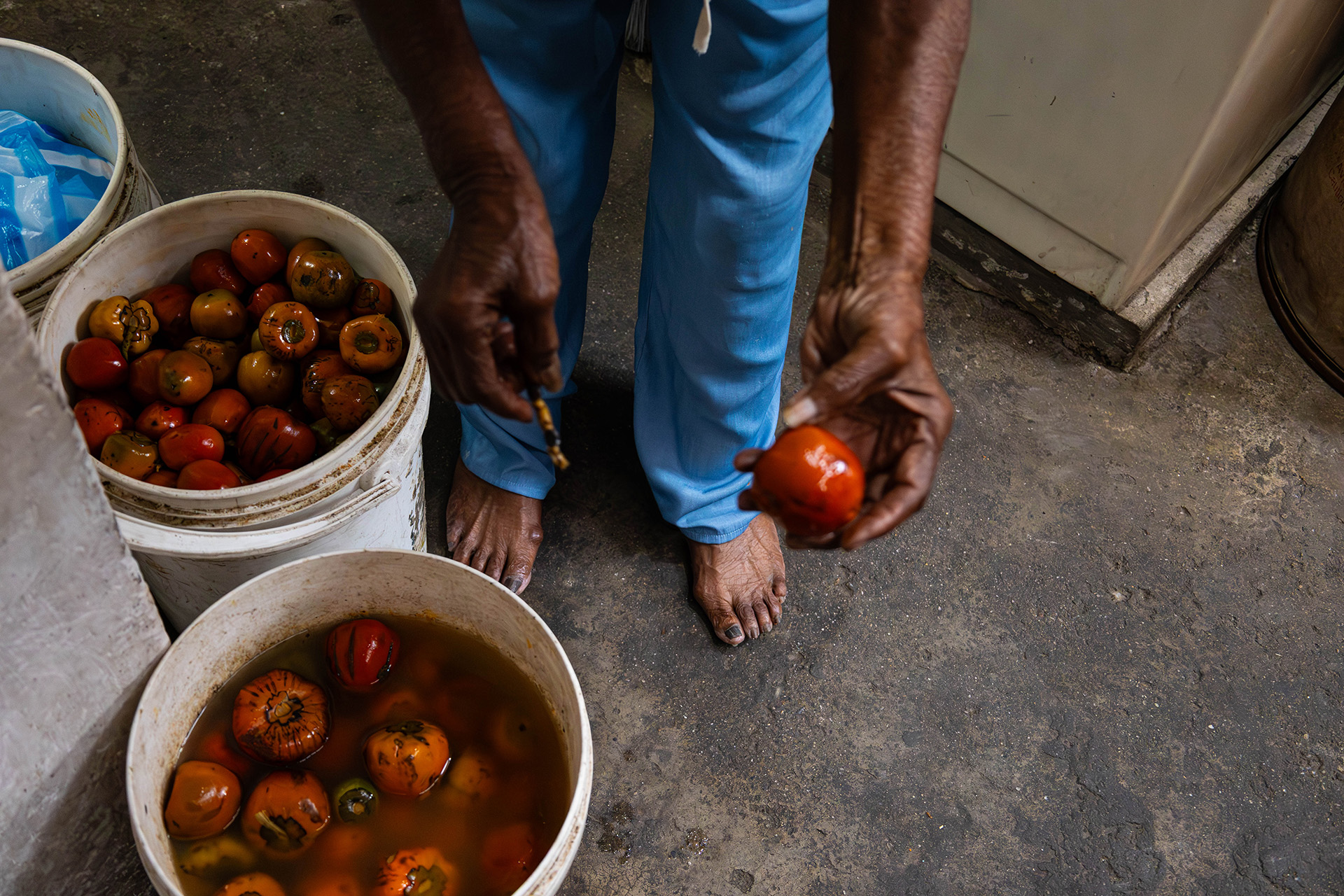
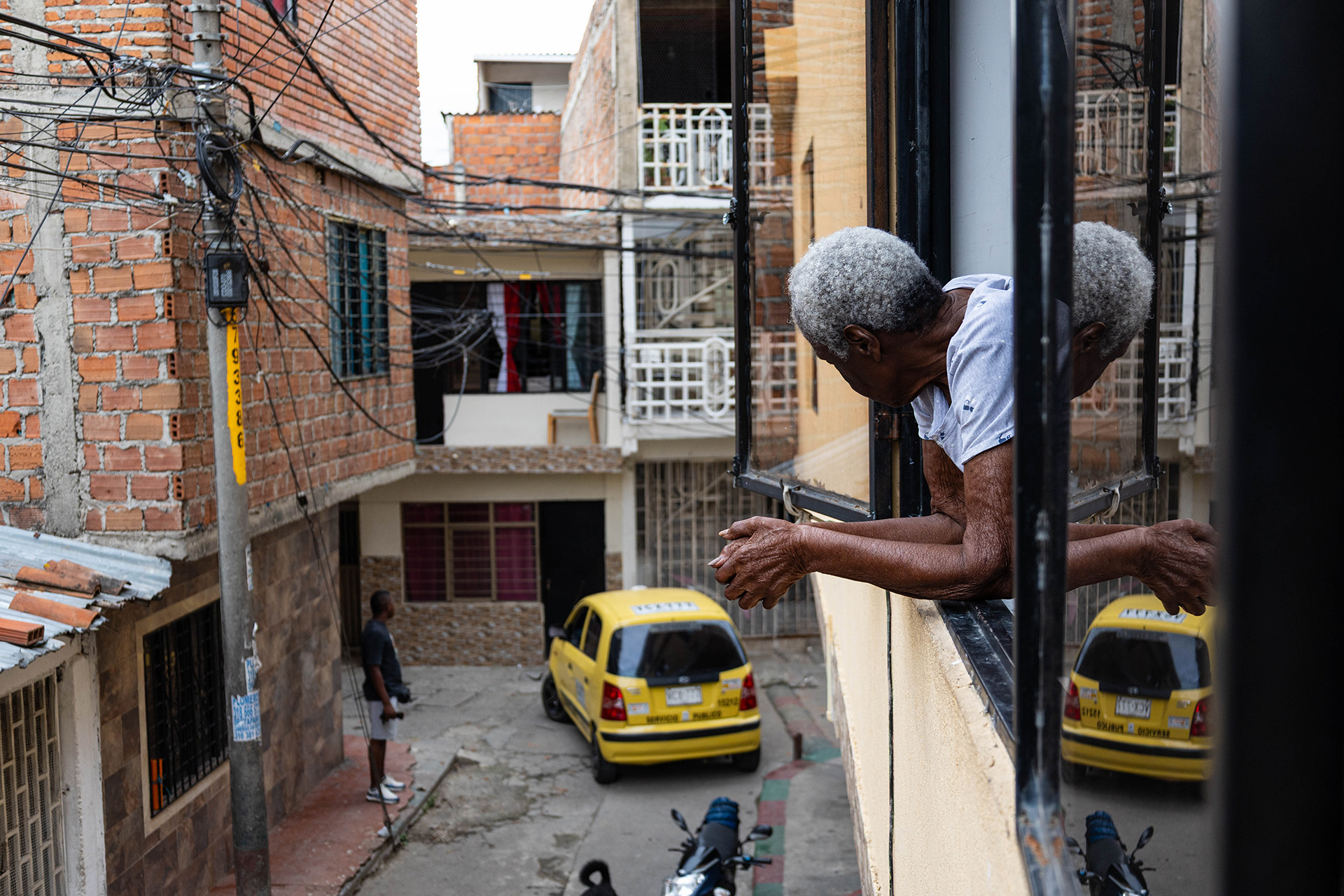
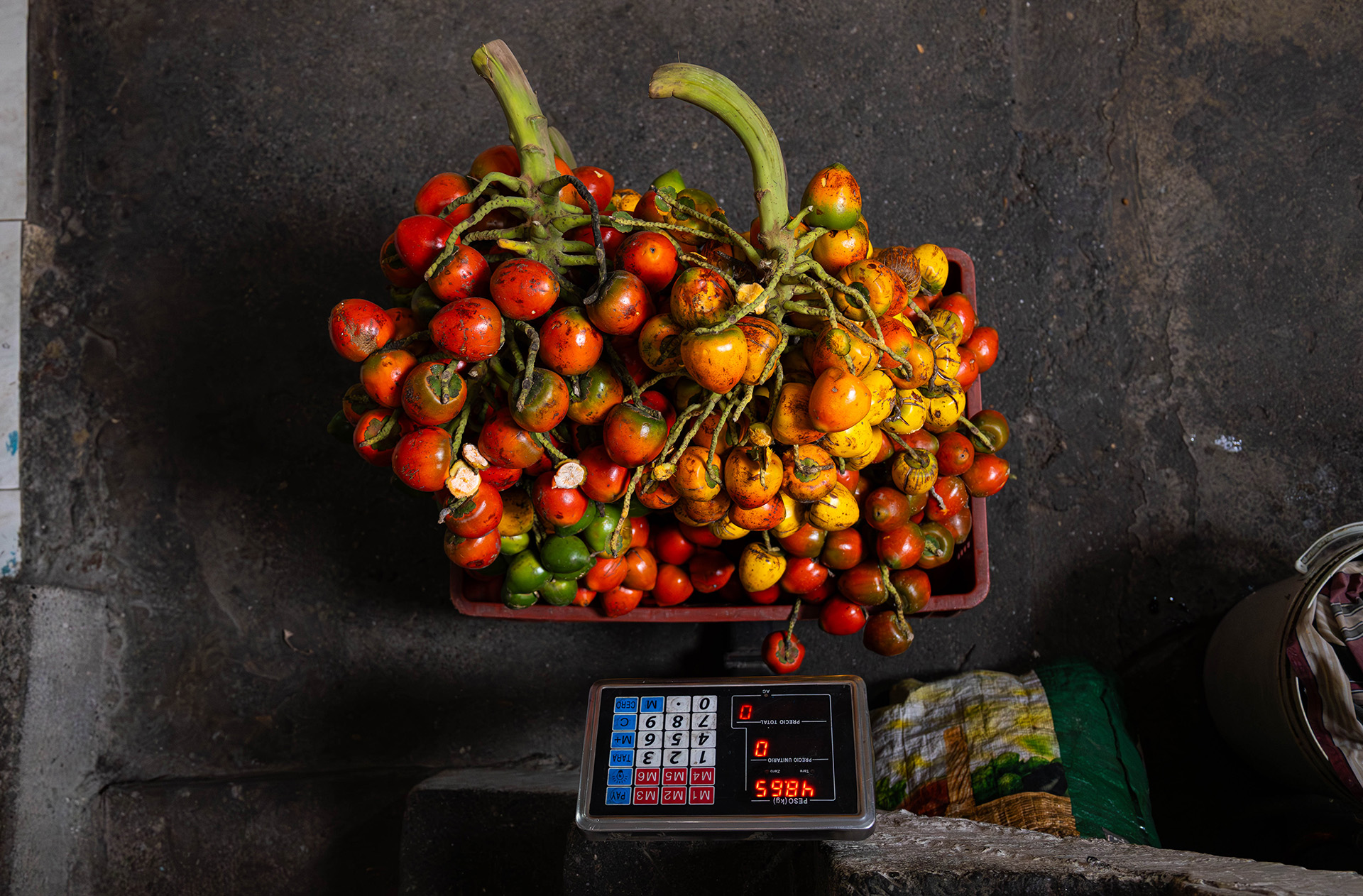
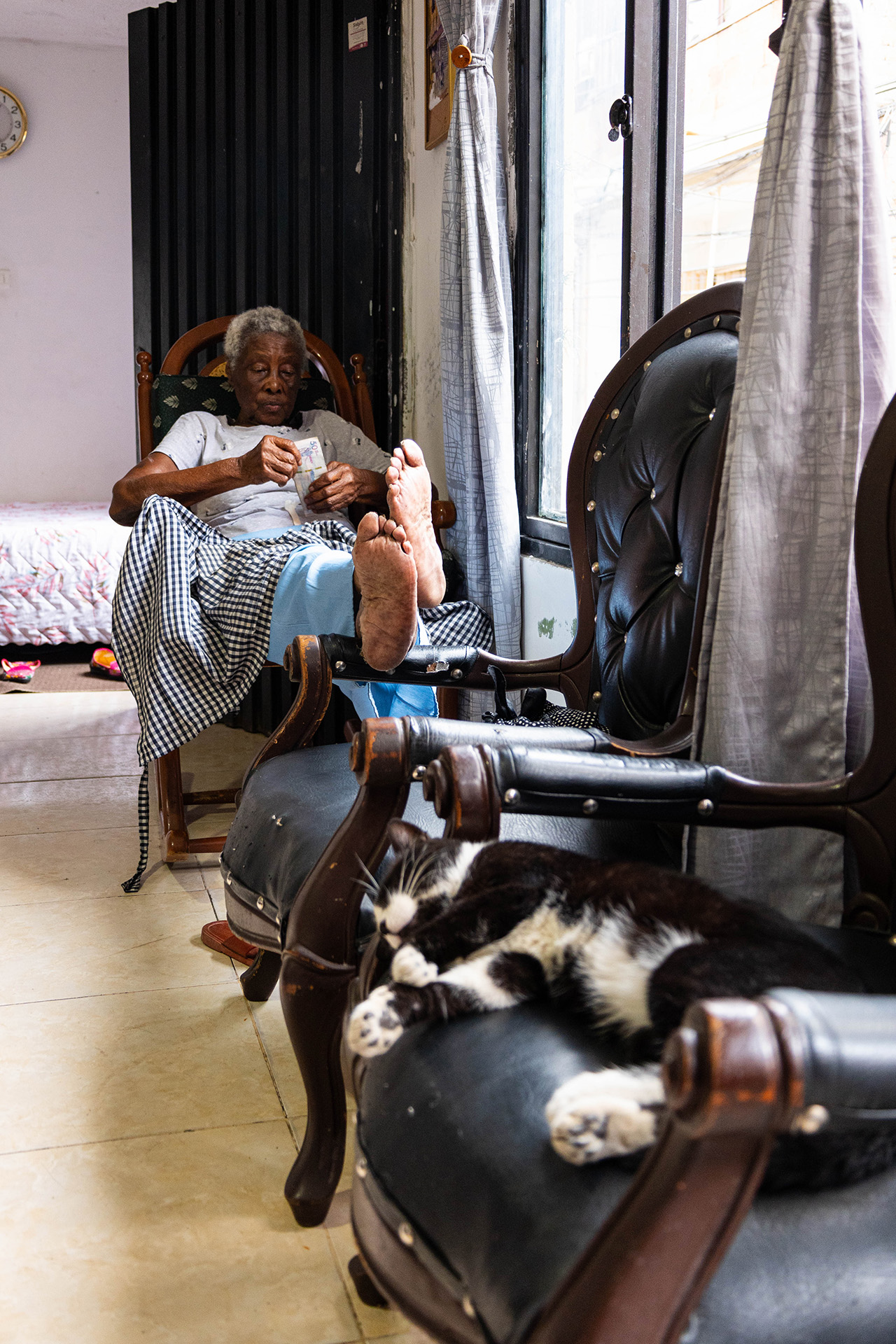
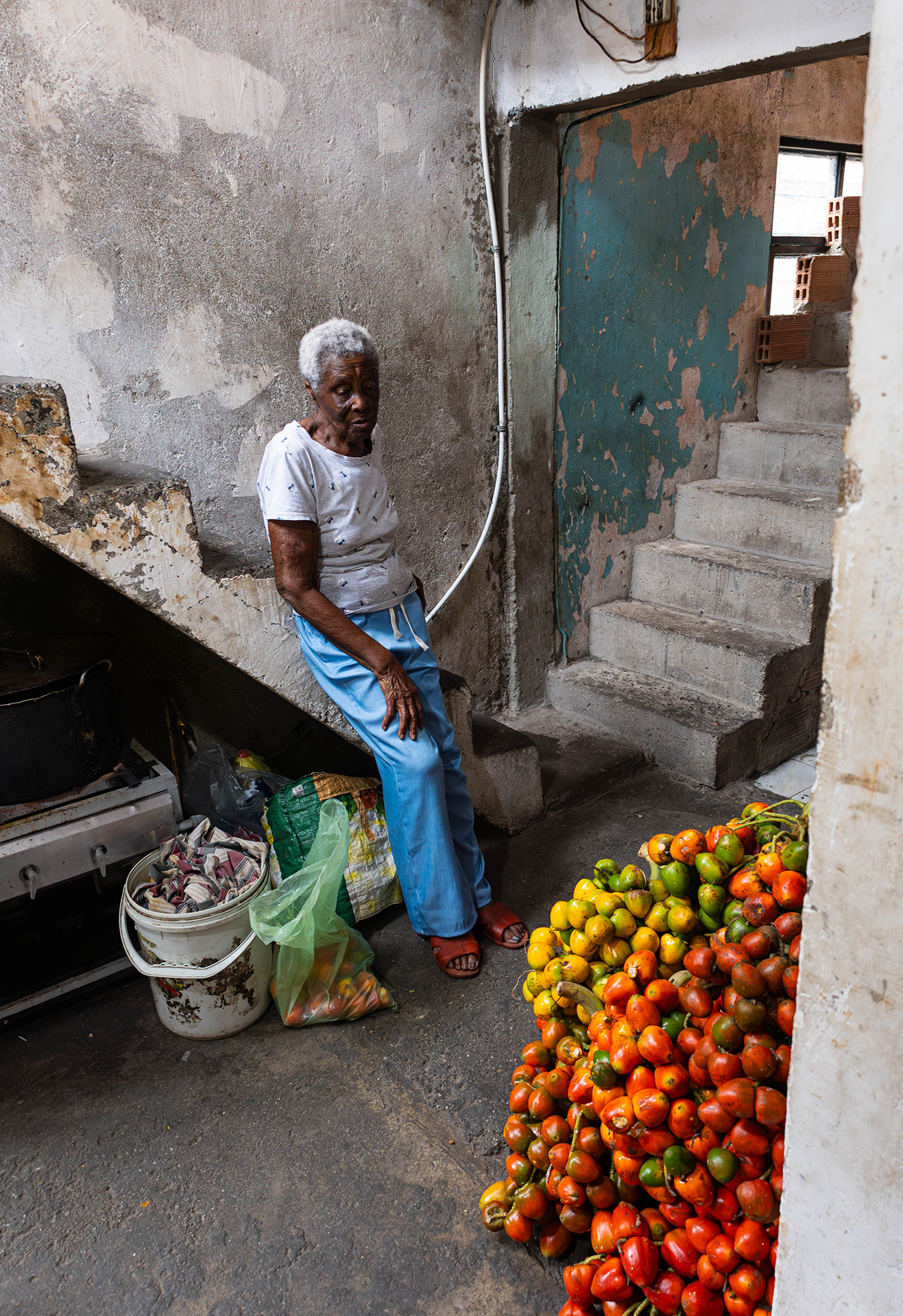
This documentary project traces the contemporary life of chontaduro in Cali through the story of Doña Alicia, who has sold the fruit at Galería Alameda — the city’s most popular market — since 1970. The series follows the full cycle of her work: from her daily sales at the market to the delivery of the fruit to her home, where it must be cooked for at least three hours before consumption due to its chemical composition. With the help of her son, Carlos Alberto, she prepares the fruit for the next day’s sale. The project also expands to “el parque del chontaduro” in northern Cali, one of the city’s main distribution points, where workers sort and organize the fruit, as well as to the palma de chonta itself, grounding the story in its natural origin.
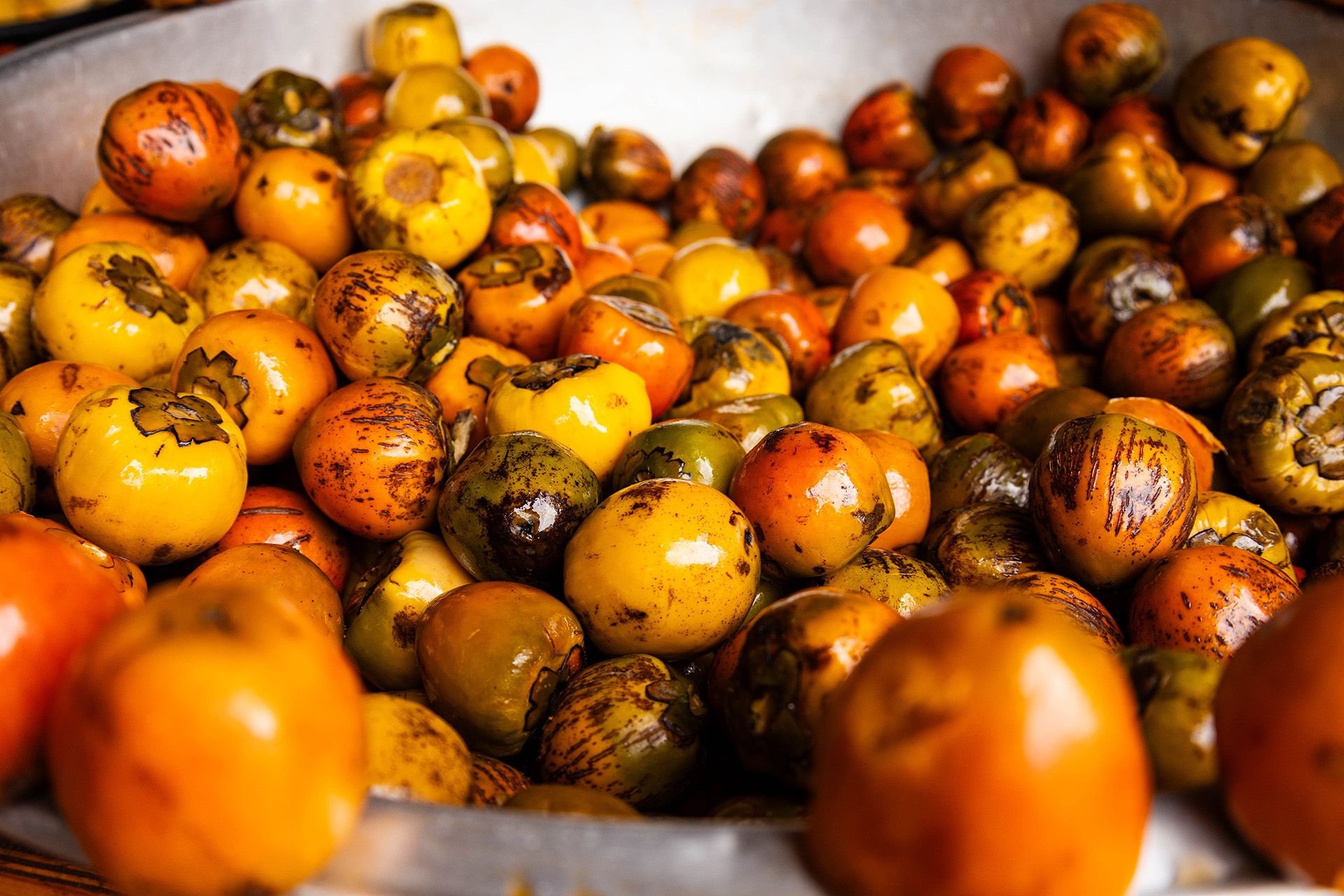
Known botanically as peach palm (Bactris gasipaes), chontaduro was a foundational crop for Indigenous societies long before colonization. Rich in fiber, essential nutrients, and bioactive compounds, and capable of growing in relatively infertile soils, it holds significant potential as a resilient and nutrient-dense food source. Yet despite its cultural importance and strong nutritional profile, it remains largely absent from international markets.
Tracing the fruit from palm to market, the project reveals the networks of labor, memory, and landscape that anchor chontaduro within Cali’s urban identity while pointing to its broader, still unrealized potential.